


Investing in Polish Real Estate: Returns and Forecast for 2025–2026
 31.12.2025

Is It Worth Investing in Polish Real Estate in 2025–2026
Poland remains one of the most resilient markets in Eastern Europe — a kind of safe haven for investors. The country demonstrates steady GDP growth year after year and maintains economic stability, inspiring investor confidence. Demand for rental housing remains consistently high, especially in Warsaw — the country’s main business hub. It is therefore no surprise that Polish real estate continues to attract investors’ attention. As a result, investing in Polish real estate appears to be a logical step. In this article, we will examine what prospects await investors in 2025–2026.
Why Poland Remains Attractive for Investors
Poland continues to hold its position as one of the most stable real estate markets in Eastern and Central Europe. The main reasons are as follows:
-
Geography and EU membership
Poland occupies a strategically advantageous location in the very center of Europe. This makes the country a logistical and economic bridge between West and East. EU membership ensures a reliable legal framework and access to financing, reducing risks for investors. -
Stable economy
The country’s GDP is growing steadily, inflation remains within reasonable limits, and the banking system is strictly regulated without excessive volatility. This creates a predictable environment for investment — especially in cities such as Warsaw. -
Population growth in major cities
Warsaw continues to grow annually due to internal migration and the inflow of foreign professionals. This supports strong rental demand, particularly in the segment of one- and two-room apartments. -
A safe and “sober” market
Unlike overheated markets such as Spain or, to some extent, Germany, Poland does not experience sharp price spikes. Growth is moderate but stable, and the market is not overloaded with speculative investments. -
Comparison with other countries
-
Czech Republic: a more limited market in scale, with prices in Prague already overheated.
-
Germany: high stability, but also high entry thresholds and taxes.
-
Spain: potentially high returns, but the market is volatile and heavily dependent on tourism.
-
Poland: the golden mean — understandable, relatively affordable real estate by European standards, with real demand and stable returns (on average 5–6% before taxes).
If you are looking for investments in Europe that combine predictability, development, and a relatively low entry threshold, Polish real estate — especially in Warsaw — remains a strong and logical choice.
The Polish Real Estate Market in 2025 — Trends and Forecast
The Polish real estate market has gone through two intense years, and 2025 promises to be calmer, yet still attractive for investment. Key trends and forecasts include:
-
Price growth in 2023–2024
In recent years, housing prices in Poland have increased, especially in Warsaw, Kraków, and Wrocław. This was driven by the return of demand after the pandemic, inflation expectations, and a shortage of new developments. -
Active construction of new developments
Developers are actively increasing construction volumes, particularly in Warsaw, Gdańsk, and Poznań. In 2024, a record number of building permits were issued, and in 2025 many new projects will enter the market — both in the business-class segment and in affordable housing. -
Rising rental demand
Due to the inflow of foreign professionals, students, and internal migration, rents in Warsaw and Kraków continue to rise. Modern apartments near metro stations, universities, and business centers are especially in demand. -
Forecast for 2026
If no major economic shocks occur, the market will grow at a sustainable pace of around 4–6% per year. Such growth is considered “healthy” and safe for long-term investors. New developments in Warsaw will remain in focus due to high quality, strong rental demand, and capital growth potential.
In 2025, the Polish real estate market is slowing down but not losing stability. This is an ideal time for thoughtful investments without hype or overheating.
Returns and Real Investment Profitability
Investments in Polish real estate provide stable and predictable income. This is particularly true for rental apartments in large cities, where demand is constantly fueled by students, professionals, and expats. Unlike bank deposits with yields of 2–3% per year, residential real estate offers significantly higher returns.
By renting out an apartment, an investor gains a double benefit:
-
monthly rental income
-
long-term growth in the value of the property itself
It is important to remember that with proper property selection and management, Polish real estate investments can generate stable real profits that exceed banking instruments by 2–3 times — and, in the long term, also provide capital appreciation.
Which Properties Investors Choose
Investors in Poland act pragmatically: they choose assets that pay back quickly, are easy to rent out, and do not require complex management. Current priorities include:
-
Small apartments and studios in central locations
One-room apartments and studios are market favorites. They are easy to rent, especially in Warsaw, Kraków, and Wrocław. Central locations and areas near metro stations ensure fast payback — tenants are often found within days. Minimal investment, maximum flexibility. -
New developments with good infrastructure
Modern buildings, energy-efficient systems, no need for renovation, and low utility costs make new developments ideal for long-term rentals. Additionally, properties in new residential complexes are generally more liquid when resold. -
Short-term rental apartments and commercial real estate
In tourist and student areas, short-term rental properties are popular: apartments, historic buildings, or locations near universities. Commercial real estate is a more specialized segment but remains attractive when there is a reliable tenant. -
Why investors choose Okeask.com
Okeask.com features up-to-date, verified properties in the best districts of Warsaw and other major cities. The platform is investor-oriented, offering filters by yield, location, and construction stage. The team supports transactions, assists with selection, and focuses on the client’s real goals — whether purchasing an apartment in Poland for rental income or investing in new developments in Warsaw.
By investing thoughtfully rather than “by luck,” it is possible to build stable passive income and ensure capital growth. The Polish market allows this without excessive risk.
Potential Risks and How to Reduce Them
Like any investment, purchasing real estate in Poland involves certain risks. The good news is that most of these risks are predictable and can be managed in advance.
Key points to consider include:
-
Currency fluctuations
Income in zloty, but expenses and calculations in euros or dollars? Exchange rate movements can affect overall returns, especially when exiting an investment or transferring profits abroad.
How to reduce risk: open a Polish bank account, plan for the long term, and fix exchange rates for large transactions. -
Taxes on rental income
All rental income must be declared. The tax rate ranges from 8.5% to 12.5%, depending on the amount. (If annual rental income exceeds PLN 100,000, the portion above this threshold is taxed at 12.5%.)
How to reduce risk: consult an accountant and rent out property officially. -
Property maintenance costs
Utilities, repairs, depreciation, and occasional vacancy periods all affect real profitability — especially in older buildings or poorly chosen locations.
How to reduce risk: choose new developments with low operating costs and well-managed homeowners’ associations, and delegate management to a professional company. Okeask provides property management services. -
Legal nuances
Purchasing from an unverified developer or without proper document checks can lead to delays or legal disputes.
How to reduce risk: purchase through our real estate agency Okeask. -
Remote property management
Self-managing rentals is not always efficient, especially if you live in another country.
How to reduce risk: use our remote property management service. We handle tenant search, bill payments, reporting, and minor repairs.
Investing in Polish real estate is not a gamble if approached thoughtfully. Proper structure, legal support, and professional management turn risk into control.
Outlook for 2026 and Advice for Investors
Looking ahead, the picture appears confident. The Polish real estate market is entering a phase of sustainable growth — without sharp spikes or declines. This is especially true for major cities, where housing demand consistently exceeds supply.
What to expect in 2026:
-
Rental growth will continue
Foreign professionals, students, and relocants from neighboring countries continue to move to Poland. This sustains strong rental demand, especially in Warsaw, where demand often outpaces construction. Rental rates began rising in 2024, and this trend is expected to continue. -
Cities with the greatest potential
-
Warsaw — the flagship investment market: the largest market, business center, stable rental growth, and high liquidity.
-
Wrocław — an IT hub with a growing population and an active new development market.
-
Poznań — a student and logistics center, offering solid yields alongside moderate prices.
-
A reliable market for long-term investment
Price growth is forecast at 4–6% per year, without overheating. The Polish real estate market remains transparent, regulated, and protected — especially when purchasing new developments with complete documentation.
Advice for investors:
-
Look for properties near metro stations, universities, or business districts — these are the most stable rental zones.
-
Consider new developments with completed infrastructure and low operating costs.
-
Rent out properties officially — this allows you to operate fully within the legal framework.
-
Plan for a horizon of at least 3 years — this timeframe shows the best results in terms of yield and capital growth.
The question “is it worth buying an apartment in Poland?” in 2026 has increasingly more arguments in favor. Demand is growing, the market is mature, and investment options are diverse and more accessible than in Western Europe.
Conclusion
Polish real estate in 2025–2026 remains one of the most balanced and understandable investment directions in Europe. There is no overheating, but there is steady price growth, strong rental demand, and transparent legal rules.
This is a market for those who prefer not to chase quick speculation, but to build a reliable investment portfolio with predictable returns — especially in cities such as Warsaw, Wrocław, and Poznań, where demand continues to grow and new developments meet European standards.
If you are looking to invest wisely, start with the right property.
Find current investment opportunities on Okeask.com — apartments, new developments, and ready-to-rent solutions await you in the best locations across Poland.
Why Investors Choose Okeask
The Okeask real estate agency not only supports purchase and sale transactions but also professionally manages rental properties in Warsaw. The company manages a significant number of units, giving it a deep, practical understanding of the market from the inside.
We work with tenants daily and see in practice:
-
which apartments rent out the fastest,
-
which districts and buildings maintain consistently high demand,
-
the real rental prices (not “portal expectations”),
-
who exactly rents apartments — expats, families, professionals, students.
Thanks to this experience, we do not simply offer an apartment “as an investment,” but select assets that are truly liquid — quickly finding tenants and generating predictable income. We understand which layouts, floors, buildings, and locations perform best specifically for rental purposes.
That is why investors who want to buy an apartment in Poland for rental income receive from Okeask not theoretical advice, but practical solutions based on real numbers and current market demand.

Blog
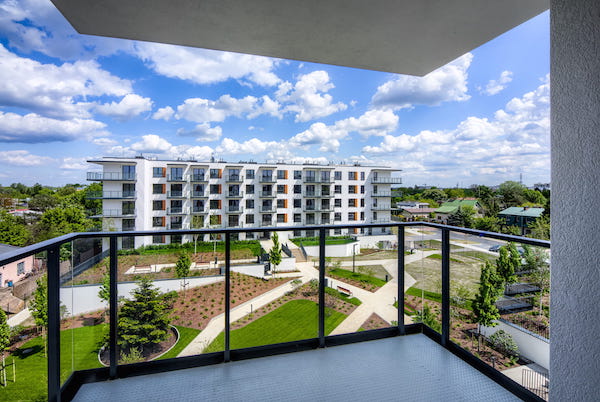
Weather in Warsaw in recent years
08.02.2024We invite you to familiarize yourself with the change in the average monthly air temperature in Warsaw (in degrees Celsius)
Nowy Dwór Mazowiecki
08.02.2024Nowy Dwór Mazowiecki (Nowy Dwor Mazowiecki) is a city in the Mazowieckie Voivodeship of Poland. Included in the Warsaw agglomeration. It is located at the mouth of the Narew River at the confluence wi
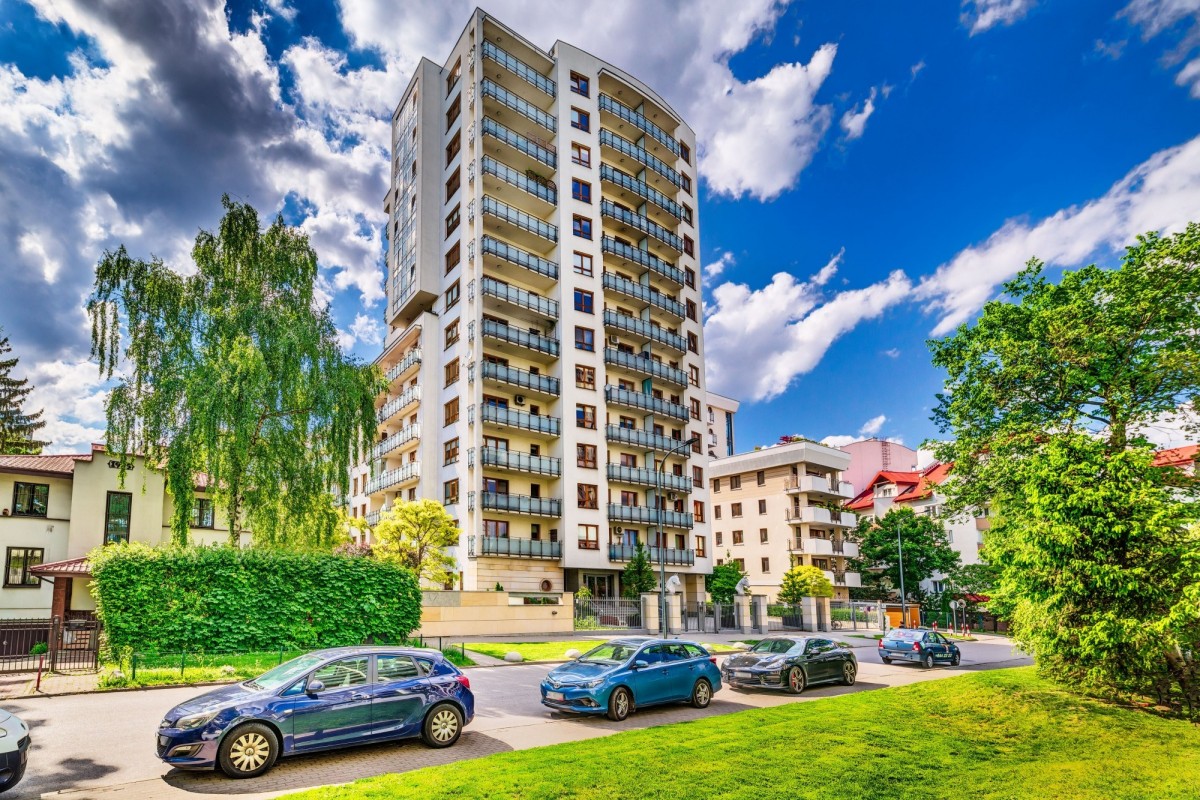
Mokotow. Microdistrict (obszar) „Służew” (Służew)
08.02.2024Mokotow. Microdistrict (obszar) „Służew” (Służew)